
What Can Make Hammertoes More Rigid Over Time
- posted: Mar. 27, 2026
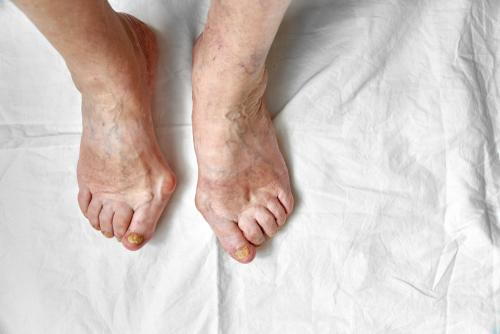
Hammertoes often begin as a flexible condition but can gradually become more fixed and difficult to manage. At Idaho Foot & Ankle Associates, patients in Boise, Nampa/Caldwell, and Meridian are frequently evaluated when hammertoes progress from mild bending to a rigid deformity. Understanding what contributes to this progression can help patients seek care earlier and avoid more complex treatment.
How Hammertoes Progress
In the early stages, a hammertoe may still be flexible, meaning the toe can be manually straightened. This occurs when muscle and tendon imbalance begins to pull the toe into a bent position. Over time, the soft tissues adapt to this position, and the joint may become fixed.
As the condition advances, the toe can remain permanently bent, even at rest.
Tendon Tightening and Joint Changes
One of the primary reasons hammertoes become rigid is the tightening of tendons and surrounding soft tissues. As the imbalance persists, these structures shorten and lose flexibility. The joint itself may also stiffen, making it more difficult to correct the position without intervention.
This process often develops gradually and may go unnoticed until movement becomes limited.
Ongoing Pressure From Footwear
Shoes that place constant pressure on the toes can accelerate the progression of hammertoes. Tight or narrow toe boxes force the toes into a bent position, reinforcing the deformity over time. High heels can also contribute by shifting weight forward and increasing pressure on the front of the foot.
Repeated pressure limits the toe’s ability to return to a natural position.
Repetitive Stress and Activity
Daily walking and standing place repeated stress on the toes. When a hammertoe is already present, this repetitive motion can worsen the deformity. Friction from movement may also lead to corns or calluses, adding to discomfort and further limiting flexibility.
Without proper support, this cycle can continue and contribute to rigidity.
Delayed Treatment
Hammertoes are more manageable when addressed early. Delaying care allows the condition to progress, increasing the likelihood that the joint becomes fixed. Once rigidity develops, conservative treatments may be less effective, and more advanced options may be needed.
Early evaluation helps slow progression and preserve flexibility.
When to Seek Evaluation
Pain, difficulty fitting into shoes, or visible changes in toe position should be evaluated. The earlier a hammertoe is assessed, the more treatment options are available to prevent worsening.
Hammertoe Care in Boise, Nampa & Meridian, ID
At Idaho Foot & Ankle Associates, patients receive comprehensive care for hammertoes at all stages. Treatment is focused on relieving pressure, improving alignment, and preventing progression whenever possible.
To schedule an appointment, call (208) 327-0627 for Boise, (208) 463-1660 for Nampa/Caldwell, or (208) 888-9876 for Meridian.
- posted: Mar. 27, 2026
Hammertoes often begin as a flexible condition but can gradually become more fixed and difficult to manage. At Idaho Foot & Ankle Associates, patients in Boise, Nampa/Caldwell, and Meridian are frequently evaluated when hammertoes progress from mild bending to a rigid deformity. Understanding what contributes to this progression can help patients seek care earlier and avoid more complex treatment.
How Hammertoes Progress
In the early stages, a hammertoe may still be flexible, meaning the toe can be manually straightened. This occurs when muscle and tendon imbalance begins to pull the toe into a bent position. Over time, the soft tissues adapt to this position, and the joint may become fixed.
As the condition advances, the toe can remain permanently bent, even at rest.
Tendon Tightening and Joint Changes
One of the primary reasons hammertoes become rigid is the tightening of tendons and surrounding soft tissues. As the imbalance persists, these structures shorten and lose flexibility. The joint itself may also stiffen, making it more difficult to correct the position without intervention.
This process often develops gradually and may go unnoticed until movement becomes limited.
Ongoing Pressure From Footwear
Shoes that place constant pressure on the toes can accelerate the progression of hammertoes. Tight or narrow toe boxes force the toes into a bent position, reinforcing the deformity over time. High heels can also contribute by shifting weight forward and increasing pressure on the front of the foot.
Repeated pressure limits the toe’s ability to return to a natural position.
Repetitive Stress and Activity
Daily walking and standing place repeated stress on the toes. When a hammertoe is already present, this repetitive motion can worsen the deformity. Friction from movement may also lead to corns or calluses, adding to discomfort and further limiting flexibility.
Without proper support, this cycle can continue and contribute to rigidity.
Delayed Treatment
Hammertoes are more manageable when addressed early. Delaying care allows the condition to progress, increasing the likelihood that the joint becomes fixed. Once rigidity develops, conservative treatments may be less effective, and more advanced options may be needed.
Early evaluation helps slow progression and preserve flexibility.
When to Seek Evaluation
Pain, difficulty fitting into shoes, or visible changes in toe position should be evaluated. The earlier a hammertoe is assessed, the more treatment options are available to prevent worsening.
Hammertoe Care in Boise, Nampa & Meridian, ID
At Idaho Foot & Ankle Associates, patients receive comprehensive care for hammertoes at all stages. Treatment is focused on relieving pressure, improving alignment, and preventing progression whenever possible.
To schedule an appointment, call (208) 327-0627 for Boise, (208) 463-1660 for Nampa/Caldwell, or (208) 888-9876 for Meridian.