
Can Heel Spurs Go Away on Their Own?
- posted: Feb. 26, 2026
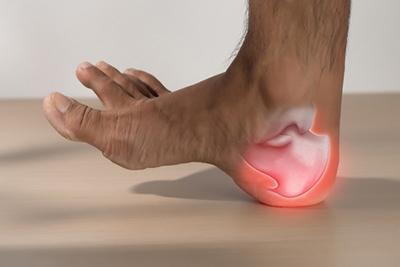
Many patients visit Idaho Foot & Ankle Associates in Boise, Nampa, or Meridian with a common question: will a bony protrusion on the heel eventually disappear without medical intervention? To understand the answer, it is important to know exactly what heel spurs are. A heel spur is a calcium deposit that forms a bony growth on the underside of the heel bone. Because these are solid bone formations, they cannot simply dissolve or go away on their own. Once the bone has grown, it is a permanent change to your foot anatomy.
Why Some Heel Spurs Stop Hurting
While the physical growth remains, the pain associated with heel spurs can often subside. In many cases, the spur itself is not the actual source of the pain. Instead, the discomfort comes from the inflammation of the soft tissues, specifically the plantar fascia, surrounding the bone. When you rest your feet or change your footwear, the inflammation decreases, making it seem like the spur has disappeared. However, the bony hook is still there, and without correcting the mechanical issues, the pain is likely to return during periods of high activity.
Common Causes and Risk Factors
Heel spurs develop over many months as the body responds to repetitive strain on the foot ligaments and tendons. This is frequently seen in athletes who engage in high-impact jumping or running on hard surfaces. Other risk factors include wearing poorly fitting shoes that lack arch support, carrying excess body weight, or having gait abnormalities that place uneven pressure on the heel bone. If you have flat feet or high arches, your foot mechanics may naturally pull on the plantar fascia, triggering the body to create a calcium deposit as a protective response.
Effective Non-Surgical Management
Since the goal of treatment is to eliminate pain rather than remove the bone, we offer several effective non-surgical strategies at our Boise, Nampa, and Meridian, ID, offices. Our podiatrists often recommend custom orthotics to redistribute weight and take the tension off the heel. Stretching exercises for the calves and the bottom of the foot can also reduce the pulling force on the bone. In cases of acute inflammation, cold therapy and anti-inflammatory medications help calm the tissue. Physical therapy is another excellent tool for strengthening the supporting structures of the foot and improving your gait.
When Surgery Becomes Necessary
The vast majority of people with heel spurs find relief through conservative care. Only a small percentage of patients, usually those who have seen no improvement after 12 months of consistent treatment, require surgical intervention. Surgery involves releasing the plantar fascia or, in rarer cases, removing the spur itself. At Idaho Foot & Ankle Associates, we prioritize the least invasive methods first to keep you active and comfortable.
Expert Podiatric Care in the Treasure Valley
If you are struggling with sharp, stabbing pain in your heel, do not wait for it to resolve itself. Our team across the Treasure Valley is ready to provide a thorough evaluation and a clear path to recovery. By managing inflammation and supporting your foot structure, we can help you return to a pain-free life, even if you have a bony spur.
If you’re suffering from heel pain or any other foot and ankle problem, call Idaho Foot & Ankle Associates at the following numbers:
(208) 327-0627 - Boise
(208) 463-1660 - Nampa/Caldwell
(208) 888-9876 - Meridian
- posted: Feb. 26, 2026
Many patients visit Idaho Foot & Ankle Associates in Boise, Nampa, or Meridian with a common question: will a bony protrusion on the heel eventually disappear without medical intervention? To understand the answer, it is important to know exactly what heel spurs are. A heel spur is a calcium deposit that forms a bony growth on the underside of the heel bone. Because these are solid bone formations, they cannot simply dissolve or go away on their own. Once the bone has grown, it is a permanent change to your foot anatomy.
Why Some Heel Spurs Stop Hurting
While the physical growth remains, the pain associated with heel spurs can often subside. In many cases, the spur itself is not the actual source of the pain. Instead, the discomfort comes from the inflammation of the soft tissues, specifically the plantar fascia, surrounding the bone. When you rest your feet or change your footwear, the inflammation decreases, making it seem like the spur has disappeared. However, the bony hook is still there, and without correcting the mechanical issues, the pain is likely to return during periods of high activity.
Common Causes and Risk Factors
Heel spurs develop over many months as the body responds to repetitive strain on the foot ligaments and tendons. This is frequently seen in athletes who engage in high-impact jumping or running on hard surfaces. Other risk factors include wearing poorly fitting shoes that lack arch support, carrying excess body weight, or having gait abnormalities that place uneven pressure on the heel bone. If you have flat feet or high arches, your foot mechanics may naturally pull on the plantar fascia, triggering the body to create a calcium deposit as a protective response.
Effective Non-Surgical Management
Since the goal of treatment is to eliminate pain rather than remove the bone, we offer several effective non-surgical strategies at our Boise, Nampa, and Meridian, ID, offices. Our podiatrists often recommend custom orthotics to redistribute weight and take the tension off the heel. Stretching exercises for the calves and the bottom of the foot can also reduce the pulling force on the bone. In cases of acute inflammation, cold therapy and anti-inflammatory medications help calm the tissue. Physical therapy is another excellent tool for strengthening the supporting structures of the foot and improving your gait.
When Surgery Becomes Necessary
The vast majority of people with heel spurs find relief through conservative care. Only a small percentage of patients, usually those who have seen no improvement after 12 months of consistent treatment, require surgical intervention. Surgery involves releasing the plantar fascia or, in rarer cases, removing the spur itself. At Idaho Foot & Ankle Associates, we prioritize the least invasive methods first to keep you active and comfortable.
Expert Podiatric Care in the Treasure Valley
If you are struggling with sharp, stabbing pain in your heel, do not wait for it to resolve itself. Our team across the Treasure Valley is ready to provide a thorough evaluation and a clear path to recovery. By managing inflammation and supporting your foot structure, we can help you return to a pain-free life, even if you have a bony spur.
If you’re suffering from heel pain or any other foot and ankle problem, call Idaho Foot & Ankle Associates at the following numbers:
(208) 327-0627 - Boise
(208) 463-1660 - Nampa/Caldwell
(208) 888-9876 - Meridian