
Winter Blisters from Boots: When to Visit a Podiatrist
- posted: Jan. 05, 2026
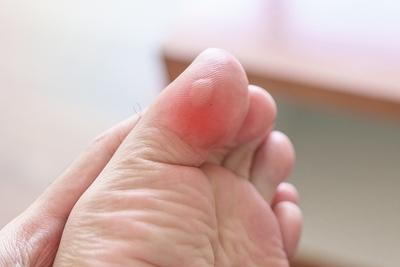
Winter in Idaho is a beautiful season, but for our feet, it often means heavy, stiff, and sometimes unforgiving footwear. Whether you are hitting the slopes at Bogus Basin, hiking the foothills, or simply trudging through a snowy commute, winter boots are a necessity. However, the combination of thick socks, moisture, and rigid boot materials creates the perfect environment for friction blisters.
At Idaho Foot & Ankle Associates, we know that what looks like a minor hot spot can quickly turn into a significant medical issue. Understanding when to treat a blister at home and when to visit one of our offices in Boise, Nampa/Caldwell, or Meridian, ID, is key to staying active all winter long.
Why Winter Boots are Blister Magnets
Blisters are caused by shear force, the repetitive rubbing of skin against another surface. Several factors make winter particularly difficult for your skin:
- Breaking in New Gear: Stiff leather or synthetic materials in new boots don't flex with your foot, creating high-pressure points on the heels and toes.
- Moisture Trapping: Sweaty feet inside insulated boots soften the skin (maceration), making it much more susceptible to tearing.
- Improper Sock Choice: Cotton socks absorb moisture and bunch up, creating "ridges" that rub against the skin. We always recommend moisture-wicking wool or synthetic blends.
Home Care: The "Do's and Don'ts"
If you notice a small, clear blister that isn't causing significant pain, you can often manage it safely:
- DO keep it clean and dry.
- DO protect it with a "donut" bandage or moleskin to take pressure off the center.
- DON'T pop it. The "roof" of the blister is a natural, sterile bandage that protects the raw skin underneath from infection.
When to Visit Idaho Foot & Ankle Associates
While most blisters heal on their own, certain red flags mean you should seek professional podiatric care. You should call one of our Treasure Valley offices if you experience the following:
1. Signs of Infection
If the fluid inside the blister becomes cloudy, yellow, or foul-smelling, it is likely infected. Other signs include increasing redness spreading away from the blister (streaking), warmth, or fever.
2. You Have Diabetes or Poor Circulation
This is a critical rule: If you have diabetes, no blister is minor. Because of potential neuropathy (loss of feeling), you may not realize a blister has turned into a deep ulcer. Reduced blood flow also makes it much harder for your body to heal small wounds.
3. The Blister is Large or Recurrent
If a blister is so large that it prevents you from wearing shoes, or if you find yourself getting a blister in the exact same spot every time you wear a specific pair of boots, there may be a structural issue, such as a bunion or hammertoe, that needs to be corrected.
4. Deep Blood Blisters
A blister filled with blood indicates that the friction has reached deeper tissues. These are often more painful and carry a higher risk of complications if not handled with sterile medical equipment.
How We Can Help
When you visit Idaho Foot & Ankle Associates, we provide more than just a bandage. We offer:
- Professional Debridement: Safe, sterile draining and dressing of the wound.
- Biomechanical Assessment: We can analyze your gait and foot structure to see why your boots are rubbing and suggest custom orthotics or specific padding.
- Footwear Education: We’ll help you find the right fit for your Idaho lifestyle, ensuring your boots support your feet without damaging them.
Don't let a blister keep you indoors this season. Schedule an appointment at our Boise, Nampa/Caldwell, or Meridian offices for a professional evaluation.
(208) 327-0627 - Boise
(208) 463-1660 - Nampa/Caldwell
(208) 888-9876 - Meridian
- posted: Jan. 05, 2026
Winter in Idaho is a beautiful season, but for our feet, it often means heavy, stiff, and sometimes unforgiving footwear. Whether you are hitting the slopes at Bogus Basin, hiking the foothills, or simply trudging through a snowy commute, winter boots are a necessity. However, the combination of thick socks, moisture, and rigid boot materials creates the perfect environment for friction blisters.
At Idaho Foot & Ankle Associates, we know that what looks like a minor hot spot can quickly turn into a significant medical issue. Understanding when to treat a blister at home and when to visit one of our offices in Boise, Nampa/Caldwell, or Meridian, ID, is key to staying active all winter long.
Why Winter Boots are Blister Magnets
Blisters are caused by shear force, the repetitive rubbing of skin against another surface. Several factors make winter particularly difficult for your skin:
- Breaking in New Gear: Stiff leather or synthetic materials in new boots don't flex with your foot, creating high-pressure points on the heels and toes.
- Moisture Trapping: Sweaty feet inside insulated boots soften the skin (maceration), making it much more susceptible to tearing.
- Improper Sock Choice: Cotton socks absorb moisture and bunch up, creating "ridges" that rub against the skin. We always recommend moisture-wicking wool or synthetic blends.
Home Care: The "Do's and Don'ts"
If you notice a small, clear blister that isn't causing significant pain, you can often manage it safely:
- DO keep it clean and dry.
- DO protect it with a "donut" bandage or moleskin to take pressure off the center.
- DON'T pop it. The "roof" of the blister is a natural, sterile bandage that protects the raw skin underneath from infection.
When to Visit Idaho Foot & Ankle Associates
While most blisters heal on their own, certain red flags mean you should seek professional podiatric care. You should call one of our Treasure Valley offices if you experience the following:
1. Signs of Infection
If the fluid inside the blister becomes cloudy, yellow, or foul-smelling, it is likely infected. Other signs include increasing redness spreading away from the blister (streaking), warmth, or fever.
2. You Have Diabetes or Poor Circulation
This is a critical rule: If you have diabetes, no blister is minor. Because of potential neuropathy (loss of feeling), you may not realize a blister has turned into a deep ulcer. Reduced blood flow also makes it much harder for your body to heal small wounds.
3. The Blister is Large or Recurrent
If a blister is so large that it prevents you from wearing shoes, or if you find yourself getting a blister in the exact same spot every time you wear a specific pair of boots, there may be a structural issue, such as a bunion or hammertoe, that needs to be corrected.
4. Deep Blood Blisters
A blister filled with blood indicates that the friction has reached deeper tissues. These are often more painful and carry a higher risk of complications if not handled with sterile medical equipment.
How We Can Help
When you visit Idaho Foot & Ankle Associates, we provide more than just a bandage. We offer:
- Professional Debridement: Safe, sterile draining and dressing of the wound.
- Biomechanical Assessment: We can analyze your gait and foot structure to see why your boots are rubbing and suggest custom orthotics or specific padding.
- Footwear Education: We’ll help you find the right fit for your Idaho lifestyle, ensuring your boots support your feet without damaging them.
Don't let a blister keep you indoors this season. Schedule an appointment at our Boise, Nampa/Caldwell, or Meridian offices for a professional evaluation.
(208) 327-0627 - Boise
(208) 463-1660 - Nampa/Caldwell
(208) 888-9876 - Meridian