
Signs of Infection in Diabetic Wounds That Require a Podiatrist
- posted: Dec. 27, 2025
At Idaho Foot and Ankle Associates, serving Boise, Nampa/Caldwell, and Meridian, ID, we provide focused care for patients with diabetes who face an increased risk of foot wounds and infections. Even small sores can progress quickly when circulation and sensation decline. Early recognition of infection allows us to intervene before complications threaten mobility or overall health.
Why Diabetic Wounds Become Infected More Easily
Diabetes often impairs blood flow and nerve function in the lower extremities. Reduced sensation makes it difficult to feel pressure points, blisters, or cuts. Limited circulation slows healing and reduces the body’s ability to fight bacteria. As a result, wounds on the foot or ankle can worsen without obvious warning signs. Unlike an acute injury such as an ankle sprain, diabetic wounds may not cause immediate pain, which delays treatment and increases infection risk.
Warning Signs of Infection You Should Never Ignore
We recommend that diabetic patients watch closely for changes in any foot wound. Redness that spreads beyond the original injury often signals infection. Swelling, warmth, and increasing tenderness also raise concern, even when pain remains mild. Drainage that appears yellow, green, or foul-smelling requires immediate evaluation. Skin discoloration, blackened tissue, or delayed healing over several days often indicates deeper tissue involvement. Fever or chills combined with a foot wound suggest a systemic response and demand urgent care.
How We Evaluate and Treat Infected Diabetic Wounds
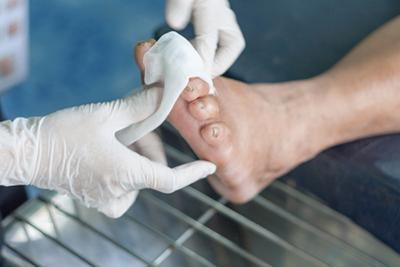
We begin every visit with a comprehensive examination. We assess wound depth, surrounding skin, circulation, and nerve function. We evaluate foot structure and gait to identify pressure points that prevent healing. When needed, we order imaging or laboratory tests to determine infection severity. Our treatment approach focuses on cleaning the wound, infection control, pressure relief, and optimized blood flow. We also address contributing factors such as footwear, activity level, and glucose management. Early intervention helps prevent hospitalization or surgical complications.
Why Timely Podiatric Care Protects Long-Term Foot Health
Delaying care allows infection to spread into deeper tissues, bones, or joints. Professional monitoring reduces the risk of chronic wounds and amputation. We also educate patients on daily foot inspection and injury prevention. Recognizing the difference between routine foot discomfort, traumatic injuries like an ankle sprain, and subtle wound changes empowers patients to seek care at the right time.
Schedule Care With Idaho Foot and Ankle Associates
If you notice signs of infection in a diabetic foot wound, prompt evaluation matters. Contact Idaho Foot and Ankle Associates to schedule an appointment at one of our locations. Call our Boise office at (208) 327-0627, our Nampa/Caldwell office at (208) 463-1660, or our Meridian office at (208) 888-9876 to receive expert podiatric care focused on protecting your foot health.
- posted: Dec. 27, 2025
At Idaho Foot and Ankle Associates, serving Boise, Nampa/Caldwell, and Meridian, ID, we provide focused care for patients with diabetes who face an increased risk of foot wounds and infections. Even small sores can progress quickly when circulation and sensation decline. Early recognition of infection allows us to intervene before complications threaten mobility or overall health.
Why Diabetic Wounds Become Infected More Easily
Diabetes often impairs blood flow and nerve function in the lower extremities. Reduced sensation makes it difficult to feel pressure points, blisters, or cuts. Limited circulation slows healing and reduces the body’s ability to fight bacteria. As a result, wounds on the foot or ankle can worsen without obvious warning signs. Unlike an acute injury such as an ankle sprain, diabetic wounds may not cause immediate pain, which delays treatment and increases infection risk.
Warning Signs of Infection You Should Never Ignore
We recommend that diabetic patients watch closely for changes in any foot wound. Redness that spreads beyond the original injury often signals infection. Swelling, warmth, and increasing tenderness also raise concern, even when pain remains mild. Drainage that appears yellow, green, or foul-smelling requires immediate evaluation. Skin discoloration, blackened tissue, or delayed healing over several days often indicates deeper tissue involvement. Fever or chills combined with a foot wound suggest a systemic response and demand urgent care.
How We Evaluate and Treat Infected Diabetic Wounds
We begin every visit with a comprehensive examination. We assess wound depth, surrounding skin, circulation, and nerve function. We evaluate foot structure and gait to identify pressure points that prevent healing. When needed, we order imaging or laboratory tests to determine infection severity. Our treatment approach focuses on cleaning the wound, infection control, pressure relief, and optimized blood flow. We also address contributing factors such as footwear, activity level, and glucose management. Early intervention helps prevent hospitalization or surgical complications.
Why Timely Podiatric Care Protects Long-Term Foot Health
Delaying care allows infection to spread into deeper tissues, bones, or joints. Professional monitoring reduces the risk of chronic wounds and amputation. We also educate patients on daily foot inspection and injury prevention. Recognizing the difference between routine foot discomfort, traumatic injuries like an ankle sprain, and subtle wound changes empowers patients to seek care at the right time.
Schedule Care With Idaho Foot and Ankle Associates
If you notice signs of infection in a diabetic foot wound, prompt evaluation matters. Contact Idaho Foot and Ankle Associates to schedule an appointment at one of our locations. Call our Boise office at (208) 327-0627, our Nampa/Caldwell office at (208) 463-1660, or our Meridian office at (208) 888-9876 to receive expert podiatric care focused on protecting your foot health.