
Can Flat Feet Cause Knee or Back Pain? Understanding the Link
- posted: Jun. 24, 2025
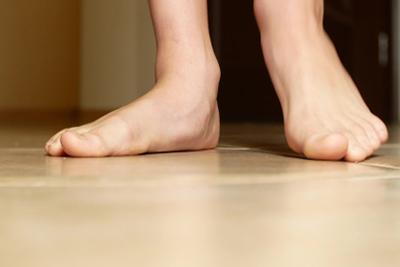
Flat feet, or fallen arches, affect a lot of people, although many of them experience no significant symptoms. However, for some, this structural variation can initiate a chain reaction of biomechanical compensations that go beyond the feet themselves. At Idaho Foot and Ankle Associates, serving patients throughout Boise, Nampa, and Meridian, we believe that understanding the relationship between foot mechanics and whole-body alignment helps patients resolve the true source of their discomfort rather than merely treating symptoms. Recognizing how flat feet might contribute to knee or back pain is an important step toward comprehensive treatment.
The Biomechanical Chain: How Foot Position Affects Alignment
The human body functions as an interconnected system in which alignment in one area significantly influences positioning elsewhere. When flat feet cause excessive pronation (inward rolling of the foot), this motion typically creates internal rotation of the leg, altering knee positioning and tracking. This rotational change can place additional stress on the knee's medial (inner) structures and potentially contribute to tracking issues of the patella (kneecap).
As these alignment changes progress upward, the altered leg position may affect pelvic tilt, potentially creating compensatory curves in the lumbar spine. These subtle but significant shifts in posture can place uneven pressure on spinal structures, particularly during weight-bearing activities like walking or standing for extended periods.
Recognizing When Flat Feet May Be Contributing to Pain
Several patterns suggest a potential connection between flat feet and pain in the knees or back. Pain that develops or worsens during prolonged standing or walking, particularly when wearing unsupportive footwear, often indicates a foot-related issue. Similarly, discomfort that improves with rest or when wearing supportive shoes suggests biomechanical factors rather than primary joint or tissue damage.
For many people, morning stiffness in the back or knees that gradually improves with movement may indicate that overnight rest has temporarily reduced the inflammation caused by biomechanical stress during daily activities. This pattern differs from conditions like inflammatory arthritis, which typically cause increased stiffness after periods of inactivity.
Comprehensive Evaluation in Boise, Nampa, and Meridian Guides Treatment
Determining whether flat feet contribute to knee or back pain requires a thorough assessment that extends beyond simply observing the feet. Gait analysis at Idaho Foot and Ankle Associates evaluates dynamic function during walking, revealing compensatory patterns that are not evident during a static examination. Assessment of wear patterns on current footwear provides additional insights about weight distribution and movement tendencies.
This comprehensive approach helps distinguish between symptoms directly related to foot mechanics and those stemming from other causes, ensuring appropriate treatment recommendations.
Treat Flat Feet for Lasting Relief
When flat feet contribute to knee or back discomfort, correcting the foundational alignment often provides significant relief. Custom orthotic devices that support the arch and control excessive pronation help restore proper biomechanical alignment throughout the kinetic chain. These prescription inserts, precisely fitted to each patient's specific foot structure and movement patterns, provide support that ready-made insoles cannot match.
For many patients at Idaho Foot and Ankle Associates, this biomechanical approach to knee and back pain through proper foot support offers a non-invasive, fast-acting solution that complements other treatments while mitigating a frequently overlooked contributing factor. To schedule a consultation about flat feet or for any other podiatry service, call our offices at the following numbers:
Boise: (208) 327-0627
Nampa/Caldwell: (208) 463-1660
Meridian: (208) 888-9876
- posted: Jun. 24, 2025
Flat feet, or fallen arches, affect a lot of people, although many of them experience no significant symptoms. However, for some, this structural variation can initiate a chain reaction of biomechanical compensations that go beyond the feet themselves. At Idaho Foot and Ankle Associates, serving patients throughout Boise, Nampa, and Meridian, we believe that understanding the relationship between foot mechanics and whole-body alignment helps patients resolve the true source of their discomfort rather than merely treating symptoms. Recognizing how flat feet might contribute to knee or back pain is an important step toward comprehensive treatment.
The Biomechanical Chain: How Foot Position Affects Alignment
The human body functions as an interconnected system in which alignment in one area significantly influences positioning elsewhere. When flat feet cause excessive pronation (inward rolling of the foot), this motion typically creates internal rotation of the leg, altering knee positioning and tracking. This rotational change can place additional stress on the knee's medial (inner) structures and potentially contribute to tracking issues of the patella (kneecap).
As these alignment changes progress upward, the altered leg position may affect pelvic tilt, potentially creating compensatory curves in the lumbar spine. These subtle but significant shifts in posture can place uneven pressure on spinal structures, particularly during weight-bearing activities like walking or standing for extended periods.
Recognizing When Flat Feet May Be Contributing to Pain
Several patterns suggest a potential connection between flat feet and pain in the knees or back. Pain that develops or worsens during prolonged standing or walking, particularly when wearing unsupportive footwear, often indicates a foot-related issue. Similarly, discomfort that improves with rest or when wearing supportive shoes suggests biomechanical factors rather than primary joint or tissue damage.
For many people, morning stiffness in the back or knees that gradually improves with movement may indicate that overnight rest has temporarily reduced the inflammation caused by biomechanical stress during daily activities. This pattern differs from conditions like inflammatory arthritis, which typically cause increased stiffness after periods of inactivity.
Comprehensive Evaluation in Boise, Nampa, and Meridian Guides Treatment
Determining whether flat feet contribute to knee or back pain requires a thorough assessment that extends beyond simply observing the feet. Gait analysis at Idaho Foot and Ankle Associates evaluates dynamic function during walking, revealing compensatory patterns that are not evident during a static examination. Assessment of wear patterns on current footwear provides additional insights about weight distribution and movement tendencies.
This comprehensive approach helps distinguish between symptoms directly related to foot mechanics and those stemming from other causes, ensuring appropriate treatment recommendations.
Treat Flat Feet for Lasting Relief
When flat feet contribute to knee or back discomfort, correcting the foundational alignment often provides significant relief. Custom orthotic devices that support the arch and control excessive pronation help restore proper biomechanical alignment throughout the kinetic chain. These prescription inserts, precisely fitted to each patient's specific foot structure and movement patterns, provide support that ready-made insoles cannot match.
For many patients at Idaho Foot and Ankle Associates, this biomechanical approach to knee and back pain through proper foot support offers a non-invasive, fast-acting solution that complements other treatments while mitigating a frequently overlooked contributing factor. To schedule a consultation about flat feet or for any other podiatry service, call our offices at the following numbers:
Boise: (208) 327-0627
Nampa/Caldwell: (208) 463-1660
Meridian: (208) 888-9876