
Recovery Timeline for Achilles Tendon Surgery: What to Expect
- posted: Jun. 20, 2025
Achilles tendon surgery is a significant intervention that requires dedicated rehabilitation for optimal recovery. That’s true whether it's performed to repair an acute rupture or chronic tendinopathy. Patients at Idaho Foot and Ankle Associates in Boise, Nampa, and Meridian receive comprehensive guidance through each phase of healing. While individual recovery varies based on surgical technique, extent of tendon damage, and patient-specific factors, understanding the typical timeline helps establish realistic expectations and emphasizes the importance of following post-operative protocols for the best possible outcome.
The Protective Phase: Weeks 0-2
The initial post-operative period focuses on protecting the surgical repair while managing inflammation and discomfort. Patients typically leave the surgical facility with the foot immobilized in a splint or cast that positions the foot slightly downward, reducing tension on the newly repaired tendon. Strict elevation, which means keeping the foot above heart level for approximately 80% of the day, plays a crucial role in minimizing swelling and associated pain during this period.
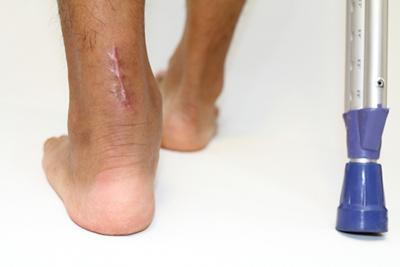
Most patients remain completely non-weight-bearing during these initial weeks, relying on crutches, knee scooters, or similar mobility aids. Pain management usually involves prescribed medication immediately after surgery, with many transitioning to over-the-counter options as discomfort subsides. The first follow-up appointment at Idaho Foot and Ankle Associates typically occurs 10-14 days post-surgery for wound assessment and removal of sutures or staples.
Early Healing Phase: Weeks 2-6
Around the two-week mark, patients often transition to a removable walking boot with controlled positioning. This specialized device protects the healing tendon while allowing for gradual adjustments in ankle position as healing progresses. During this phase, many surgeons begin allowing partial weight-bearing, though specific instructions vary based on individual healing progression and surgical technique.
This period requires particular vigilance in following weight-bearing restrictions, as the healing tendon remains vulnerable despite improving comfort levels. Physical therapy with our Boise, Nampa, and Meridian community partners typically begins during this phase with gentle movements within safe parameters. These early interventions focus on maintaining mobility in uninvolved joints while beginning very controlled motion at the surgical site as permitted by the surgeon.
Functional Recovery Phase: Weeks 6-12
Between six and twelve weeks, most patients progress to full weight-bearing in the protective boot before transitioning to regular supportive footwear, often with a temporary heel lift that gradually decreases in height. Physical therapy intensifies during this period, incorporating progressive strengthening exercises, balance training, and gait retraining to address any compensatory movement patterns developed during immobilization.
The healing tendon steadily increases in strength during this phase but remains vulnerable to excessive forces. Activities remain limited to walking and therapeutic exercises, with strict avoidance of running, jumping, or explosive movements that could compromise the repair.
Return to Activity Phase: Months 3-9
Between three and six months, patients typically return to most daily activities while gradually reintroducing more demanding physical activities under therapeutic guidance. Low-impact recreational activities often resume around the four-month mark, with return to more demanding sports typically occurring between six and nine months post-surgery, depending on individual progress and activity demands.
Find a Dedicated Partner for Achilles Tendon Repair
Throughout this period, continued strengthening exercises support the tendon's ongoing maturation process, which continues for up to a year after surgery. This dedicated rehabilitation process helps maximize functional outcomes while reducing the risk of re-injury as patients return to their full range of activities. If you’re considering Achilles tendon surgery and are looking for a provider who will help you throughout the recovery process, contact the offices of Idaho Foot and Ankle Associates at the following numbers:
Boise: (208) 327-0627
Nampa/Caldwell: (208) 463-1660
Meridian: (208) 888-9876
- posted: Jun. 20, 2025
Achilles tendon surgery is a significant intervention that requires dedicated rehabilitation for optimal recovery. That’s true whether it's performed to repair an acute rupture or chronic tendinopathy. Patients at Idaho Foot and Ankle Associates in Boise, Nampa, and Meridian receive comprehensive guidance through each phase of healing. While individual recovery varies based on surgical technique, extent of tendon damage, and patient-specific factors, understanding the typical timeline helps establish realistic expectations and emphasizes the importance of following post-operative protocols for the best possible outcome.
The Protective Phase: Weeks 0-2
The initial post-operative period focuses on protecting the surgical repair while managing inflammation and discomfort. Patients typically leave the surgical facility with the foot immobilized in a splint or cast that positions the foot slightly downward, reducing tension on the newly repaired tendon. Strict elevation, which means keeping the foot above heart level for approximately 80% of the day, plays a crucial role in minimizing swelling and associated pain during this period.
Most patients remain completely non-weight-bearing during these initial weeks, relying on crutches, knee scooters, or similar mobility aids. Pain management usually involves prescribed medication immediately after surgery, with many transitioning to over-the-counter options as discomfort subsides. The first follow-up appointment at Idaho Foot and Ankle Associates typically occurs 10-14 days post-surgery for wound assessment and removal of sutures or staples.
Early Healing Phase: Weeks 2-6
Around the two-week mark, patients often transition to a removable walking boot with controlled positioning. This specialized device protects the healing tendon while allowing for gradual adjustments in ankle position as healing progresses. During this phase, many surgeons begin allowing partial weight-bearing, though specific instructions vary based on individual healing progression and surgical technique.
This period requires particular vigilance in following weight-bearing restrictions, as the healing tendon remains vulnerable despite improving comfort levels. Physical therapy with our Boise, Nampa, and Meridian community partners typically begins during this phase with gentle movements within safe parameters. These early interventions focus on maintaining mobility in uninvolved joints while beginning very controlled motion at the surgical site as permitted by the surgeon.
Functional Recovery Phase: Weeks 6-12
Between six and twelve weeks, most patients progress to full weight-bearing in the protective boot before transitioning to regular supportive footwear, often with a temporary heel lift that gradually decreases in height. Physical therapy intensifies during this period, incorporating progressive strengthening exercises, balance training, and gait retraining to address any compensatory movement patterns developed during immobilization.
The healing tendon steadily increases in strength during this phase but remains vulnerable to excessive forces. Activities remain limited to walking and therapeutic exercises, with strict avoidance of running, jumping, or explosive movements that could compromise the repair.
Return to Activity Phase: Months 3-9
Between three and six months, patients typically return to most daily activities while gradually reintroducing more demanding physical activities under therapeutic guidance. Low-impact recreational activities often resume around the four-month mark, with return to more demanding sports typically occurring between six and nine months post-surgery, depending on individual progress and activity demands.
Find a Dedicated Partner for Achilles Tendon Repair
Throughout this period, continued strengthening exercises support the tendon's ongoing maturation process, which continues for up to a year after surgery. This dedicated rehabilitation process helps maximize functional outcomes while reducing the risk of re-injury as patients return to their full range of activities. If you’re considering Achilles tendon surgery and are looking for a provider who will help you throughout the recovery process, contact the offices of Idaho Foot and Ankle Associates at the following numbers:
Boise: (208) 327-0627
Nampa/Caldwell: (208) 463-1660
Meridian: (208) 888-9876