
The Impact of Hammertoes on Daily Life and Mobility
- posted: Nov. 12, 2024
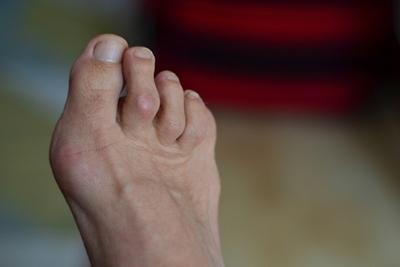
Hammertoe is a foot condition in which the toes are bent downward at the joints in a hammer-like shape. This downward bending can cause pain and discomfort, impact mobility, and make certain daily activities more challenging. Treatment is required, as hammertoe will not improve on its own. The experienced podiatrists at Idaho Foot and Ankle Associates in Boise, Nampa, and Meridian, ID, treat hammertoes and will develop a treatment plan tailored to your needs.
Symptoms of Hammertoes
The primary symptom of hammertoe is a downward bending of the toes. Hammertoe does not typically affect the big toe but can impact any other toe. In addition to the smaller toes taking on a hammer-like shape, other symptoms of the foot condition include:
- Pain or discomfort
- Swollen toe joints
- Rigid or stiff toe joints
- Reduced flexibility in the toes
- Corns and calluses on the toes
- Pain in the ball of the foot
- Burning sensation
- Redness
Impact of Hammertoes
Hammertoes can adversely impact daily life and mobility. One of the biggest ways it can affect you is by making walking painful and more difficult, which might prompt you to miss out on certain activities if too much movement is involved. Another way hammertoes impact daily life and mobility is that the condition can cause your body weight to be unevenly distributed, which increases the risk of losing your balance and falling.
Hammertoes can also affect other parts of the body. Bending the toes often puts excess pressure on other areas of the foot, including the knees and back. This can lead to pain and discomfort in those areas and impact mobility.
Causes of Hammertoes
There are several possible causes of hammertoes. The most common is usually an imbalance between the muscles and tendons in the toes. Sometimes, the imbalance can lead to dislocation of a toe and cause it to curl or bend rather than lay flat. Other factors that can lead to the development of hammertoes include:
- An injury to the toes or foot
- Wearing footwear that is too narrow or tight
- Wearing shoes without sufficient arch support
- Health conditions such as arthritis or neuropathy
- Family history of hammertoe
- Having long toes
- Bunions
Treatments for Hammertoes
Hammertoes will not heal independently, leading to other foot problems if left untreated. The skilled podiatrists at our offices in Boise, Nampa & Meridian, ID, treat hammertoes and can help prevent the condition from worsening or leading to other issues.
It is best to seek treatment early on while the toes remain flexible. Over time, the condition can cause the toes to become stiff or rigid. Surgery might be the only treatment option if the toes become severely rigid. Nonsurgical treatment methods include:
- Protective padding for corns and calluses
- Splints/straps for dislocated toe joint realignment
- Corticosteroid injections to reduce swelling and pain
- Orthotic devices to correct muscle/tendon imbalances
- Stretching and strengthening exercises
- Changing footwear
If hammertoes are impacting your daily life and mobility, we can help. Call (208) 327-0627 for Boise, (208) 463-1660 for Nampa, or (208) 888-9876 for Meridian to schedule an appointment with one of our podiatrists in Boise, Nampa, or Meridian to treat hammertoes.
- posted: Nov. 12, 2024
Hammertoe is a foot condition in which the toes are bent downward at the joints in a hammer-like shape. This downward bending can cause pain and discomfort, impact mobility, and make certain daily activities more challenging. Treatment is required, as hammertoe will not improve on its own. The experienced podiatrists at Idaho Foot and Ankle Associates in Boise, Nampa, and Meridian, ID, treat hammertoes and will develop a treatment plan tailored to your needs.
Symptoms of Hammertoes
The primary symptom of hammertoe is a downward bending of the toes. Hammertoe does not typically affect the big toe but can impact any other toe. In addition to the smaller toes taking on a hammer-like shape, other symptoms of the foot condition include:
- Pain or discomfort
- Swollen toe joints
- Rigid or stiff toe joints
- Reduced flexibility in the toes
- Corns and calluses on the toes
- Pain in the ball of the foot
- Burning sensation
- Redness
Impact of Hammertoes
Hammertoes can adversely impact daily life and mobility. One of the biggest ways it can affect you is by making walking painful and more difficult, which might prompt you to miss out on certain activities if too much movement is involved. Another way hammertoes impact daily life and mobility is that the condition can cause your body weight to be unevenly distributed, which increases the risk of losing your balance and falling.
Hammertoes can also affect other parts of the body. Bending the toes often puts excess pressure on other areas of the foot, including the knees and back. This can lead to pain and discomfort in those areas and impact mobility.
Causes of Hammertoes
There are several possible causes of hammertoes. The most common is usually an imbalance between the muscles and tendons in the toes. Sometimes, the imbalance can lead to dislocation of a toe and cause it to curl or bend rather than lay flat. Other factors that can lead to the development of hammertoes include:
- An injury to the toes or foot
- Wearing footwear that is too narrow or tight
- Wearing shoes without sufficient arch support
- Health conditions such as arthritis or neuropathy
- Family history of hammertoe
- Having long toes
- Bunions
Treatments for Hammertoes
Hammertoes will not heal independently, leading to other foot problems if left untreated. The skilled podiatrists at our offices in Boise, Nampa & Meridian, ID, treat hammertoes and can help prevent the condition from worsening or leading to other issues.
It is best to seek treatment early on while the toes remain flexible. Over time, the condition can cause the toes to become stiff or rigid. Surgery might be the only treatment option if the toes become severely rigid. Nonsurgical treatment methods include:
- Protective padding for corns and calluses
- Splints/straps for dislocated toe joint realignment
- Corticosteroid injections to reduce swelling and pain
- Orthotic devices to correct muscle/tendon imbalances
- Stretching and strengthening exercises
- Changing footwear
If hammertoes are impacting your daily life and mobility, we can help. Call (208) 327-0627 for Boise, (208) 463-1660 for Nampa, or (208) 888-9876 for Meridian to schedule an appointment with one of our podiatrists in Boise, Nampa, or Meridian to treat hammertoes.